pelagikos is currently working with the DFAR, fishing communities, local agents and exporters to improve the biological and ecological status and the management of spiny lobster fisheries in Kalutara, Colombo and Matara Fisheries Districts.
Biology & Ecology: Five species of spiny lobsters (Panulirus sp.) are found shallow coastal waters from the surf zone to depths of more than 20 meters, in association with coral and rocky reefs and river mouths. Spiny lobsters species are either solitary or gregarious, nocturnal or diurnal, omnivorous or carnivorous. The ornate spiny lobster (P. ornatus) is the largest of the five spiny lobster species, growing up to 50 cm total length and weighing more than 6 kilos. All spiny lobster species brood their eggs and release between 50 – 100,000 post larvae to the plankton several times during the year.
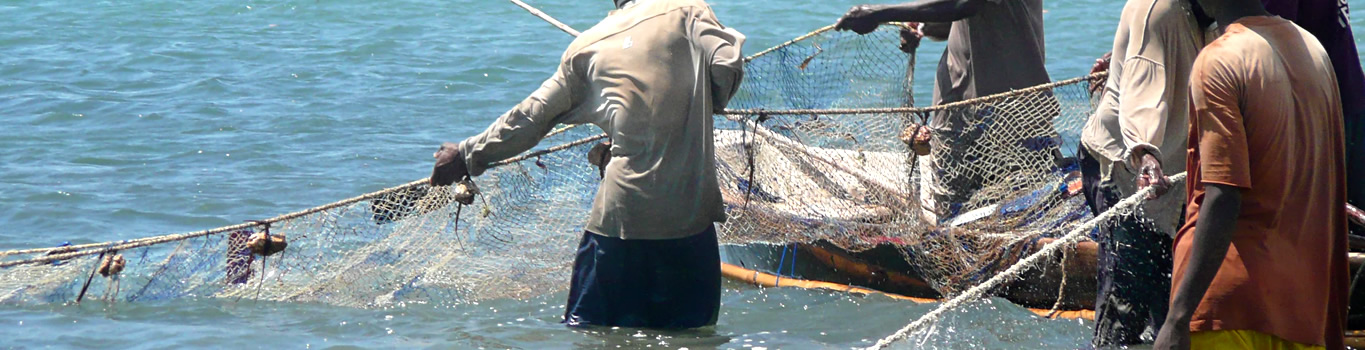
Fisheries / Stocks: The scalloped spiny lobster (P. homarus) and the painted spiny lobsters (P. versicolor) are the most commonly caught species caught along the southern and western coasts. Fishermen use bottom-set entangling nets to harvest spiny lobsters from motorized and non-motorised small scale fishing craft (< 9 m). Spiny lobsters are also hand-collected by scuba divers engaged in marine ornamental fish and reef fish fisheries. The stock status of the scalloped and the painted spiny lobster fisheries was unsustainable in 2024 and the biomass was overfished. There was a high level of growth overfishing and recruitment overfishing in both fisheries. High demand for small, immature spiny lobster from the domestic consumers and the tourism industry is the most likely cause of growth overfishing. Historially, spiny lobster exports are likely to have contributed to the current status of recruitment overfishing observed in 20245.
Sustainable Seafood: No steps or measures have taken by the seafood export industry or top Sri Lankan hotels and restaurants to ensure that Sri Lankan spiny lobsters are sourced from fisheries that are biologically and ecologically sustainable and effectively managed.
Useful links, downloads & videos
Species Profile: Painted spiny lobster
Species Profile: Scalloped spiny lobster
Lobster fisheries management regulations, 2000
Lobster fishery management regulations, 2009
Lobster fishery management regulations, 2012
Scalloped Spiny Lobster Fishery Assessment, Kalutara District 2024.
Painted Spiny Scalloped Lobster Fishery Assessment, Kaluthara District 2024.
|