Skipjack Tuna Pole & Line Fishery

Protecting Marine Resources, Sustaining Livelihoods

  • Home
  • Skipjack Tuna Pole & Line Fishery

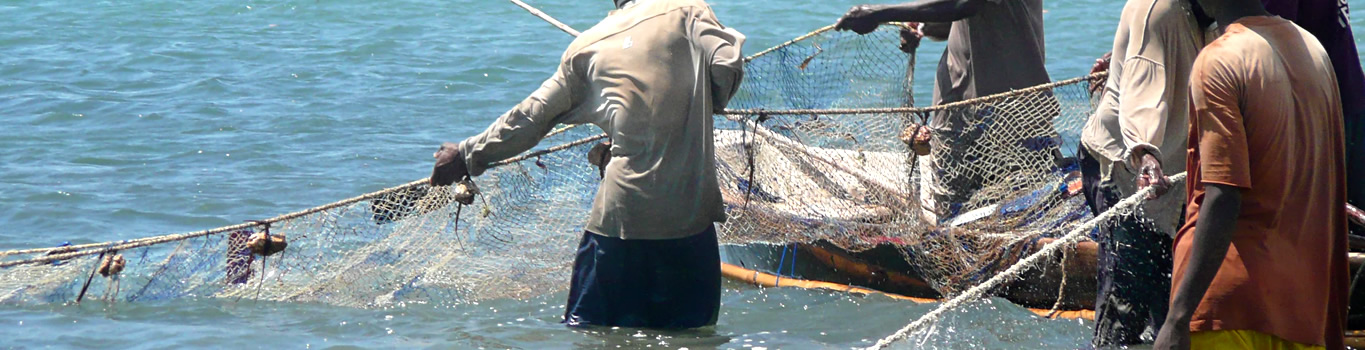
pelagikos is working with the DAFR and boat owners to modernize the operation of the traditional pole and line fishery in Trincomalee and Matara Fisheries Districts. Key interventions include the provision of binoculars to enhance sightings of skipjack schools; the introduction of light weight, yet strong carbon-fibre poles to replace bamboo fising poles; the motorization of the water spraying system and actions to address shortages of live-bait caused by illegal ring-net fishing in Trincomalee Fisheries District.

Biology & Ecology: Skipjack tuna (Katsuwonus pelamis) are a marine, pelagic, oceanic and highly migratory species found from the surface to a depth of 260 m. Skipjack tunar reach a maximum size of 110 cm (TL) and can weigh up to 34 kg. Skipjack tuna form large free-swimming schools as well as around floating objects, where their feeding behaviour often attracts large flocks of seabirds. Skipjack tuna prey on other fish species, crustaceans and cephalopods. Skipjack tuna spawn throughout the year in tropical waters.

Fisheries & Status: Pole and line fishing is a traditional form of harvesting skipjack tuna in Sri Lanka. Fishermen use bamboo poles, barbless hooks, live-bait and manual water spraying to attract and catch skipjack tuna, operating from traditional small scale fishing boats and one-day boats with inboard engines within and beyond the territorial sea. The average daily catch in Trincomalee District was 1,300 kg per boat per day during the 2025 fishing season. Skipjack tuna are one of the 28 tuna and tuna-like species managed by the Indian Ocean Tuna Commission (IOTC). The IOTC’s assessment of the Indian Ocean skipjack tuna fishery in 2023 determined that the probability of the stock being in the green Kobe quadrant was 70% i.e. the fishery was sustainable. The Indian Ocean skipjack tuna stock was determined to be not overfished and not subject to overfishing.

Sustainable Sri Lankan Seafood: The International Pole and Line Foundation (IPNLF) conducted an assessment of the traditional pole and line fisheries in Trincomalee and Matara Fisheries Districts with the Fishing Operations Division of the DFAR in 2022. The assessment was conducted to assess the potential and constraints of promoting pole and line fishing for skipjack tuna as a financially viable alternative to gillnet fishing. The findings from the 2022 fishery assessments form the basis of the modernization programme implemented by pelagikos with the DFAR in Trincomalee and Matara in 2025. Pole and line caught skipjack tuna are sold fresh to local vendors / retailers and or to regional wholesale markets for fresh Sri Lankan seafood.

Useful links, downloads & videos
2022. IPNLF Report
Executive Summary: Skipjack tuna (2024). Indian Ocean Tuna Commission


Our Approach & Methodology

Pelagikos begins with evidence-based assessment, analyzing fisheries, ecosystems and community needs to design practical and sustainable management strategies.

We implement solutions collaboratively with communities, industry, and government, ensuring compliance, monitoring, and long-term conservation impact.

Get in touch with us today to discuss further.

Key focus

Pelagikos focuses on sustainable fisheries management, protecting marine biodiversity, and preventing illegal fishing, ensuring responsible use of Sri Lanka’s coastal, offshore, and high-seas resources.

  • Sustainable Fisheries Management
  • Conservation & Protection.
  • Compliance & Illegal Fishing Prevention

Expertise in Marine Fishery

Pelagikos offers expert guidance on managing Sri Lanka’s marine fisheries, blending scientific research, community collaboration, and policy support to promote sustainable practices.

  • Sustainable management of all marine fisheries
  • Protection of marine biodiversity
  • Combatting illegal and unregulated fishing

Frequently asked questions

Pelagikos offers expert guidance on fisheries management, marine conservation, policy support, and sustainable seafood practices across coastal, offshore, and high-seas fisheries.
We promote responsible fishing practices, protect marine biodiversity, develop marine protected areas, and reduce the impact of fishing on endangered and protected species.
Pelagikos works closely with fishing communities, seafood exporters, government agencies, and non-government organizations to improve fisheries management and ensure sustainability.
Sri Lanka’s marine fisheries include coastal, offshore, and high-seas sectors, supporting thousands of fishermen while facing challenges like overfishing and ecosystem pressures.
Marine conservation ensures sustainable fish stocks, protects biodiversity, and supports livelihoods, while maintaining the health of coastal and offshore ecosystems.
© Pelagikos 2025 - All rights reserved.