Fisheries Management Areas

Protecting Marine Resources, Sustaining Livelihoods

  • Home
  • Fisheries Management Areas

pelagikos has been working with fishing communities and Fisheries District Offices of the DFAR since 2017 to declare FMAs one each at the Fisheries District Office level. The declaration of Fisheries District Fisheries District FMAs, the formation of Fisheries Committees at the Fisheries Inspector Division level and Fisheries Management Coordinating Committees at the district level are simple, practical and administratively apposite ways to move coastal fisheries from instructive to consultative or collaborative forms of management.

Fisheries Management Areas: The legal provisions for managing fisheries at the local level are set out under Fisheries and Aquatic Resources (Amendment) Act, No. 35 of 2013. Key provisions include declaration of Fisheries Management Areas; establishment of Fisheries Management Coordinating Committee, Fisheries Committees and Fisheries Development and Management Plans for each FMA Development and Management Plans. 18 FMAs have been declared to date, however Fisheries Development and Management Plans have yet to be prepared by the Fisheries Management Coordinating Committee and or approved by the Director General an or gazetted by ministry.

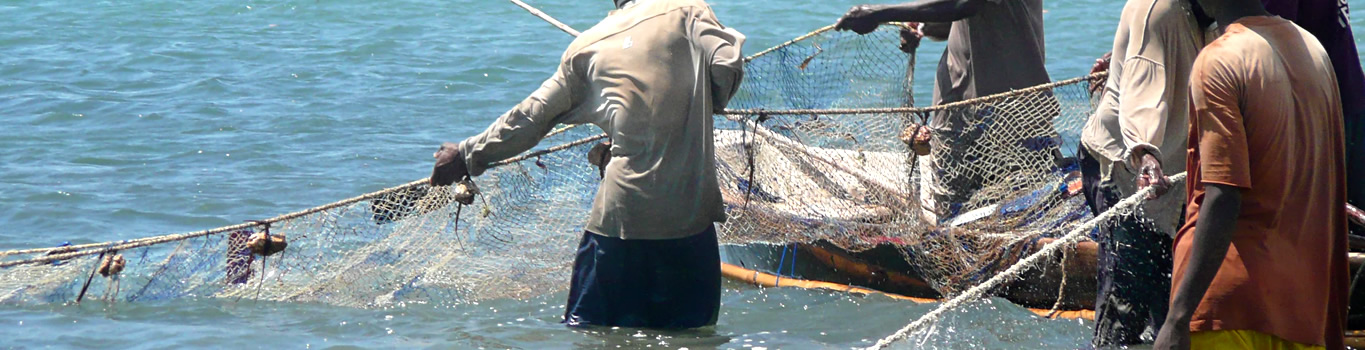
Fisheries Management: DFAR officers based in 15 Fisheries District Officers - together with the Management Division of the DFAR in Colombo - are responsibility for managing and regulating 100,000 coastal fishermen, operating 45,000 or so small scale fishing craft, harvesting more than 30 species of pelagic and demersal finfish, assorted crustaceans, molluscs and holothurians at 760 landing centres along Sri Lanka’s 1,700 km coastal line. Almost all of the 100 or more coastal fisheries / populations are seasonal and some target stocks are migratory.

Useful links and downloads
Fisheries and Aquatic Resources (Amendment) Act, No. 35 of 2013
Declared FMAs and proposed Fisheries District FMAs
Types of fisheries management  


Our Approach & Methodology

Pelagikos begins with evidence-based assessment, analyzing fisheries, ecosystems and community needs to design practical and sustainable management strategies.

We implement solutions collaboratively with communities, industry, and government, ensuring compliance, monitoring, and long-term conservation impact.

Get in touch with us today to discuss further.

Key focus

Pelagikos focuses on sustainable fisheries management, protecting marine biodiversity, and preventing illegal fishing, ensuring responsible use of Sri Lanka’s coastal, offshore, and high-seas resources.

  • Sustainable Fisheries Management
  • Conservation & Protection.
  • Compliance & Illegal Fishing Prevention

Expertise in Marine Fishery

Pelagikos offers expert guidance on managing Sri Lanka’s marine fisheries, blending scientific research, community collaboration, and policy support to promote sustainable practices.

  • Sustainable management of all marine fisheries
  • Protection of marine biodiversity
  • Combatting illegal and unregulated fishing

Frequently asked questions

Pelagikos offers expert guidance on fisheries management, marine conservation, policy support, and sustainable seafood practices across coastal, offshore, and high-seas fisheries.
We promote responsible fishing practices, protect marine biodiversity, develop marine protected areas, and reduce the impact of fishing on endangered and protected species.
Pelagikos works closely with fishing communities, seafood exporters, government agencies, and non-government organizations to improve fisheries management and ensure sustainability.
Sri Lanka’s marine fisheries include coastal, offshore, and high-seas sectors, supporting thousands of fishermen while facing challenges like overfishing and ecosystem pressures.
Marine conservation ensures sustainable fish stocks, protects biodiversity, and supports livelihoods, while maintaining the health of coastal and offshore ecosystems.
© Pelagikos 2025 - All rights reserved.